Tag: Hovey Burgess
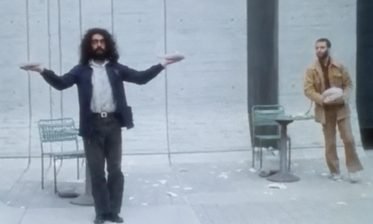
I never met or studied with Philippe Gaulier (1943–2026), who passed away on February 1st at the age of 82, but many of my friends did. While some found his confrontational, via negativa teaching style not to their liking, most found his pedagogy valuable and indeed many returned to his school in Étampes for multiple sessions. Either way, it is hard to exaggerate the enormous influence he had on contemporary performance, including but not limited to the clown world. Especially noteworthy is the long list of successful performers who credit him for major breakthroughs in their artistic development, including Sacha Baron Cohen (Borat); Théâtre de Complicité; Roberto Benigni (Like is Beautiful); Aitor Basauri (Spymonkey); Dr. Brown (Phil Burgers); and Geoffrey Rush (Shakespeare in Love).
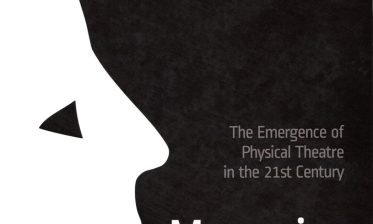
“Memoirs of Mime for all Time –The Emergence of Physical Theatre in the 21st Century” by Louis H. Campbell
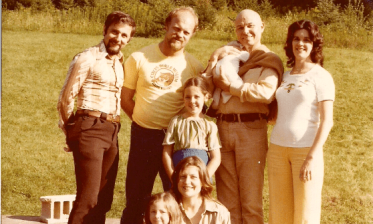
Viterbo College, La Crosse, Wisconsin
A History by Jef Lambdin

Downton Abbey is now one of the most popular television shows in the world, no small achievement for a fairly sophisticated British costume drama. The acting, led by the delightfully caustic Maggie Smith, is top-notch, and one of the stand-outs has to be Jim Carter as the butler, Mr. Carson.
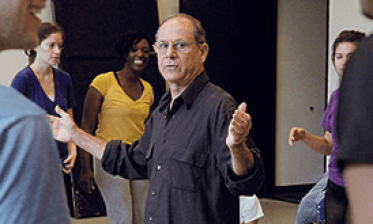
The notion that physical comedians and other movement artists might have something to teach traditional actors goes back at least a century, when such innovative directors as Jacques Copeau in France and Vsevolod Meyerhold in Russia hired accomplished clowns and variety performers as guest instructors. In the United States, this became a trend in the 60s and 70s as “experimental” theatres sought to break the confines of the fourth wall and Stanislavski method acting to forge more theatrical performance styles.
Hovey Burgess is a circus performer, educator, and historian no doubt known to many of you. American performers mining the circus/commedia tradition who do not hail from traditional circus families can usually trace some portion of their training directly or indirectly to Hovey’s classes, myself included. Author of the how-to guide, Circus Techniques, Hovey is also one of the top authorities on the history of the circus. He was an indispensable resource for me when I was writing Clowns back in the 70s, and has continued to be so today in the writing of this blog. It is therefore a great honor to have him share his erudition with my readers as an example of the kind of writing and research the art of circus truly deserves.
Back in November 2009, I wrote a blog post on Sweden’s Cirkus Cirkör when they appeared at the Brooklyn Academy of Music. I tried to limit myself to covering some physical comedy elements that I thought worth reporting, but I could not help but take issue with a negative review of the show that had appeared in The New York Times. Because I found their critic to be uninformed and therefore unqualified, I wrote the following: “It’s perfectly fine for someone not to have liked this show. I’m not at all opposed to the idea of serious circus criticism, but I think the “paper of record” might want to apply the same standards to all circuses, and find a writer with real expertise in the area. As my friend Dave Carlyon pointed out, if you’re going to write about opera, it’s not enough just to know about the performing arts, you actually have to know about music. Likewise… well, you get the point. Hmm… maybe the Times should hire Hovey as their circus reviewer.”
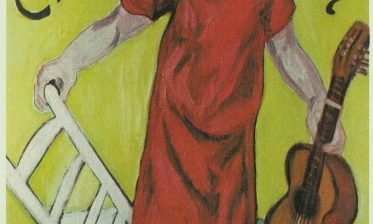
It is my last night in Barcelona and Jango Edwards brought together for dinner all of the clown / circus /variety historians he could muster in the person of Raffaele De Ritis, whose blog, Novelties and Wonders, is indeed full of wonders; Pat Cashin, whose Clown Alley blog is the place to go for all things clown; Greg DeSanto, director of the International Clown Hall of Fame and Research Center; and yours truly. Or to paraphrase John F. Kennedy, there hasn’t been a greater concentration of clown knowledge at one table since Tristan Rémy dined alone.
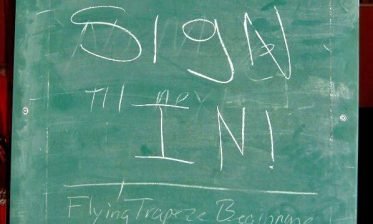
This January I finally got back to San Francisco for a week, my first visit to the west coast in something like seven years; always flying out of the country instead of across it.
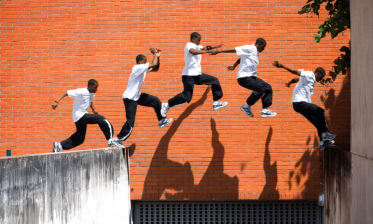
I guess it’s a generational thing, but when I mention parkour to anyone over 40, I usually get a blank stare, which if nothing else makes me feel young and in the know. If you too are going “huh?” just think of those videos you’ve probably seen of ridiculously agile teenage daredevils — Spidermen without the web — jumping on, over and off walls, railings and other structures that get in their way. They are called traceurs presumably because they trace a path through space while leaving only a faint imprint.

This is a physical comedy blog, not a circus blog, which means my main focus is on how physical comedy works rather than on reviewing circuses. However, before I get to my little piece on the delayed gag, a few words on Sweden’s Cirkus Cirkör, where I saw this really nice delayed gag and so much more Saturday night at the Brooklyn Academy of Music.
TRANSLATE THIS PAGE
Workshops & Other Events
My first book (1976)
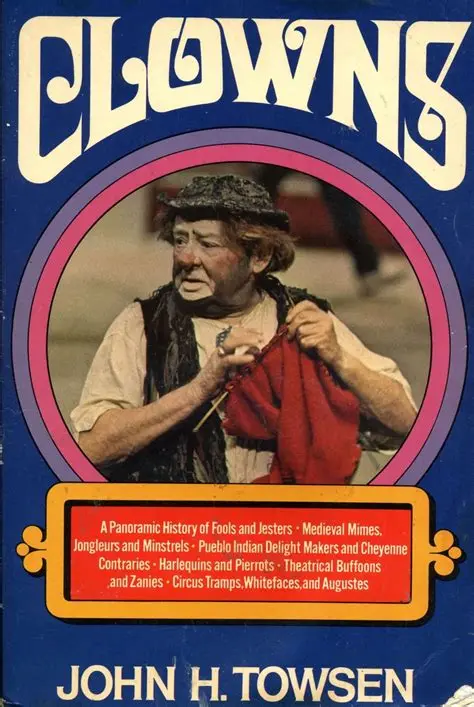
My book Clowns has long been out of print, but you can borrow it for two weeks at a time from the Internet Archive. More information is available here.
My second book (2015)

Visual and verbal humor for the cognitively and artistically curious! Available here.
“A book to treasure!”
—Bill Irwin