Tag: France
Pop Quiz: Name the famous Nobel-Prize winning author who wrote the following in his most celebrated work:
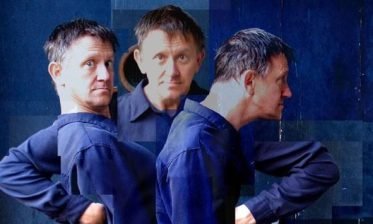
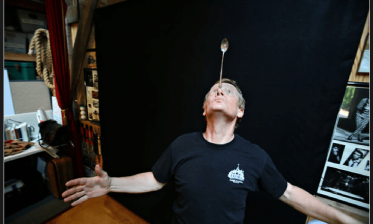
It takes more than a little bravery to tell an audience outright that you are going to explain to them how comedy works and that you intend to make them laugh a lot in the process, even suggesting that they don’t have much choice in the matter. But if they don’t laugh, you lose on two counts. And it takes a lot of talent, training, and practice to pull it off as well as Jos Houben did Tuesday night in New York at an evening hosted by the Alliance Française as part of their Crossing the Line performance series. Yes, lots of laughs and a standing ovation.
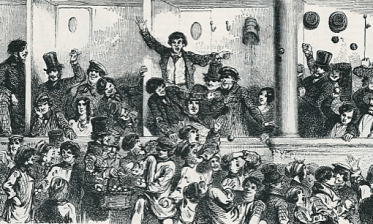
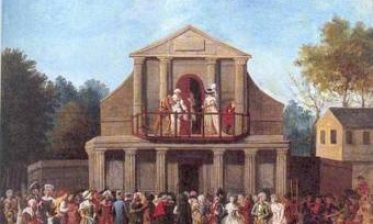
Jean-Gaspard Deburau! Jean-Louis Barrault! Le Théâtre des Funambules! Children of Paradise! The Boulevard du Crime! Cool stuff, but been there, done that in this previous post, so I won’t repeat myself here except to say that Children of Paradise is a must-see movie, especially for readers of this blog.
We finally finish our saga of public domain books in English about the commedia dell’arte with these two offerings.
Chapter two (previous post) covered a lot of ground — about twenty centuries and at least four continents — so there’s a ton of potential supplementary material. I’ll just throw a few at you here, and then follow up in my next posts with some free books.
Here I go again with another old-man story (stop rolling your eyes):
French directors Pierre Etaix and Jacques Tati made solid reputations for themselves creating modern-era silent-style movies four and more decades after the dawn of the talkies. Now another French director, Michel Hazanavicius (OSS 117) has followed in their footsteps with The Artist, a silent, black-and-white movie about the transition from the silent era to sound. It was announced yesterday that Terrence Malick’s The Tree of Life had won the Palme d’Or, the top prize at the Cannes Film Festival, but according to several reports The Artist gave it a real run for its money.
I don’t know much about Compagnie Ieto, another product of the French circus school system. I’ve never seen them perform, but based on this video — thank you to Jeff Seal for the link — I like, I like. Strictly speaking this is more nouveau cirque than physical comedy, but there’s a strong kinship in terms of partner acrobatic work, engagement with the material world, and sheer creativity.
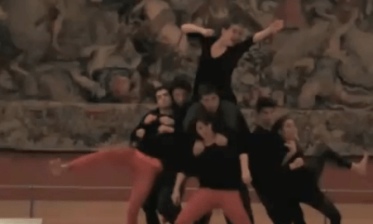
During my March visit to Paris, the Louvre was hosting various groups doing performances and other events around the art work each Friday night. The evening I visited, there were about half a dozen groups of students from the École Jacques Lecoq doing movement pieces in the Richelieu wing in front of glorious Renaissance tapestries and related art work. I thought the evening a great success, bringing new life to a museum that, though indisputably great, can still benefit from more dynamic ways of engaging art.

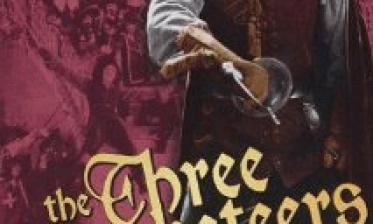
Max Linder produced, wrote, and directed three feature films for his own company: Seven Years Bad Luck (released Feb. 1921), Be My Wife (Dec. 1921), and The Three Must-Get-Theres (Aug. 1922). I’ve already written about Seven Years Bad Luck, and I guess I really do have some readers because I learned shortly thereafter that there was a short wait to rent it on Netflix. The pen is indeed mightier than the sword.
Keaton got Donald O’Connor, Chaplin got Robert Downey, Jr., and if screenwriter Samantha Husik has her way, Max Linder would be brought to life by the mega-talented Depp. Husik, a graduate of NYU’s Tisch School of the Arts film program, is the author of a new screenplay about Linder’s life and career that she is currently shopping around. I put Linder and Depp into my handy-dandy Morphomatic™ and this is what I got:
TRANSLATE THIS PAGE
Workshops & Other Events
My first book (1976)
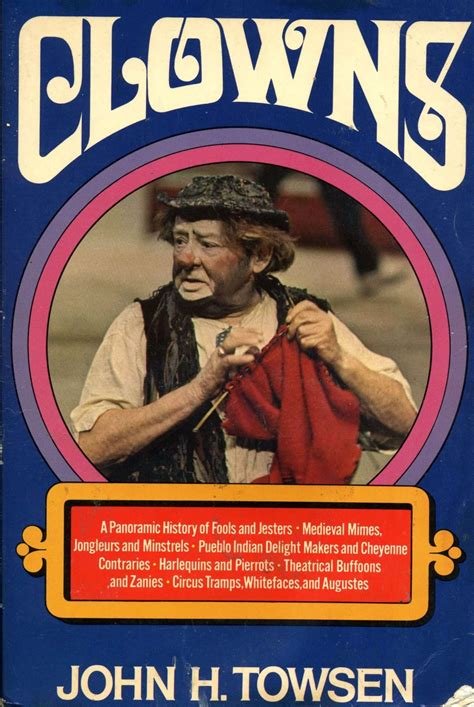
My book Clowns has long been out of print, but you can borrow it for two weeks at a time from the Internet Archive. More information is available here.
My second book (2015)

Visual and verbal humor for the cognitively and artistically curious! Available here.
“A book to treasure!”
—Bill Irwin